Studios that offer both heated and non-heated yoga, as Good Soul Hot Yoga does in Mooresville, sometimes confuse new students, who assume one side of the schedule is the real thing and the other is a concession. Neither is true. Heat is a variable you set, like the weight on a barbell, and the same practitioner will want different settings on different days. A hard Hot 26 class on Monday and a non-heated deep stretch on Thursday is not indecision; it is programming.
This comparison lays out what actually changes with the temperature, so you can choose by purpose rather than by bravado.
The two sides, compared
| Heated classes | Non-heated classes | |
|---|---|---|
| Room | About 90 to 105 degrees depending on class | Normal room temperature |
| Feel | Demanding from the first minute; heavy sweating | Effort scales with the postures, not the room |
| Best for | Deep stretching, cardiovascular demand, discipline training | Technique, alignment learning, recovery days, beginners |
| Watch out for | Dizziness, dehydration, overstretching warm muscles | Slower warm-up; muscles need more preparation |
| Examples at Good Soul | Hot 26, Inferno Hot Pilates, power vinyasa, heated deep stretch | Yoga essentials, non-heated deep stretch and yin, tai chi |
The table's most important row is the caution row, because the risks are mirror images. Heated practice tempts people to stretch past their true range, since warm tissue feels more willing than it is. Non-heated practice tempts people to skip the warm-up mentally, treating a cool room as permission to go straight at deep postures their muscles are not ready for. Both errors are about listening to the conditions instead of the body, and both are avoidable with the same habit: treat the first ten minutes as information gathering, whatever the thermostat says.
Choosing by goal
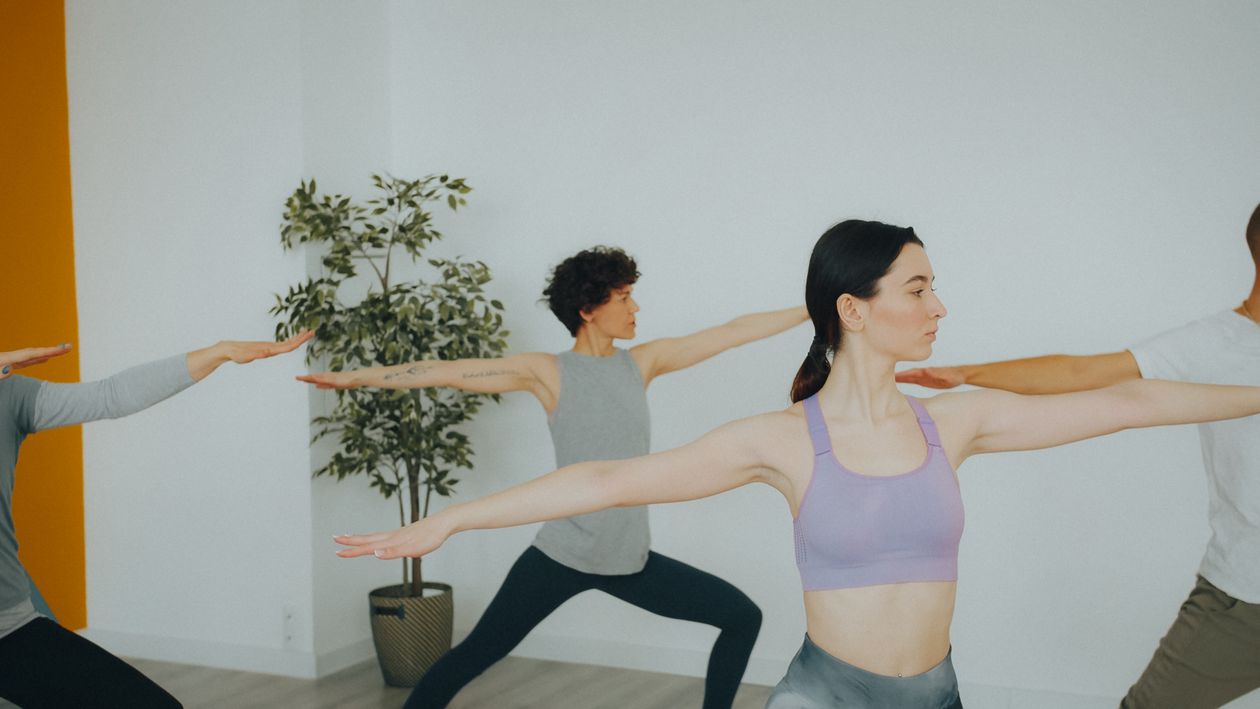
If the goal is learning yoga, start non-heated. A foundations class like yoga essentials, covering alignment, basic poses, and breathwork at room temperature, lets a beginner hear cues, watch the teacher, and build shapes without also managing heat stress. Every skill learned there transfers directly into the heated room later, where the same shapes will feel different but will not be new.
If the goal is a hard workout and a mental reset, the heated room delivers both efficiently, which is why hot classes anchor so many schedules. If the goal is recovery, mobility, or stress reduction, the slower formats win in either temperature: deep stretch is offered heated at about 90 degrees and in a non-heated yin style, and tai chi sits at the far gentle end of the schedule, all of them doing work that a hard class cannot do for you.
A sensible week, and the heat-acclimation rule
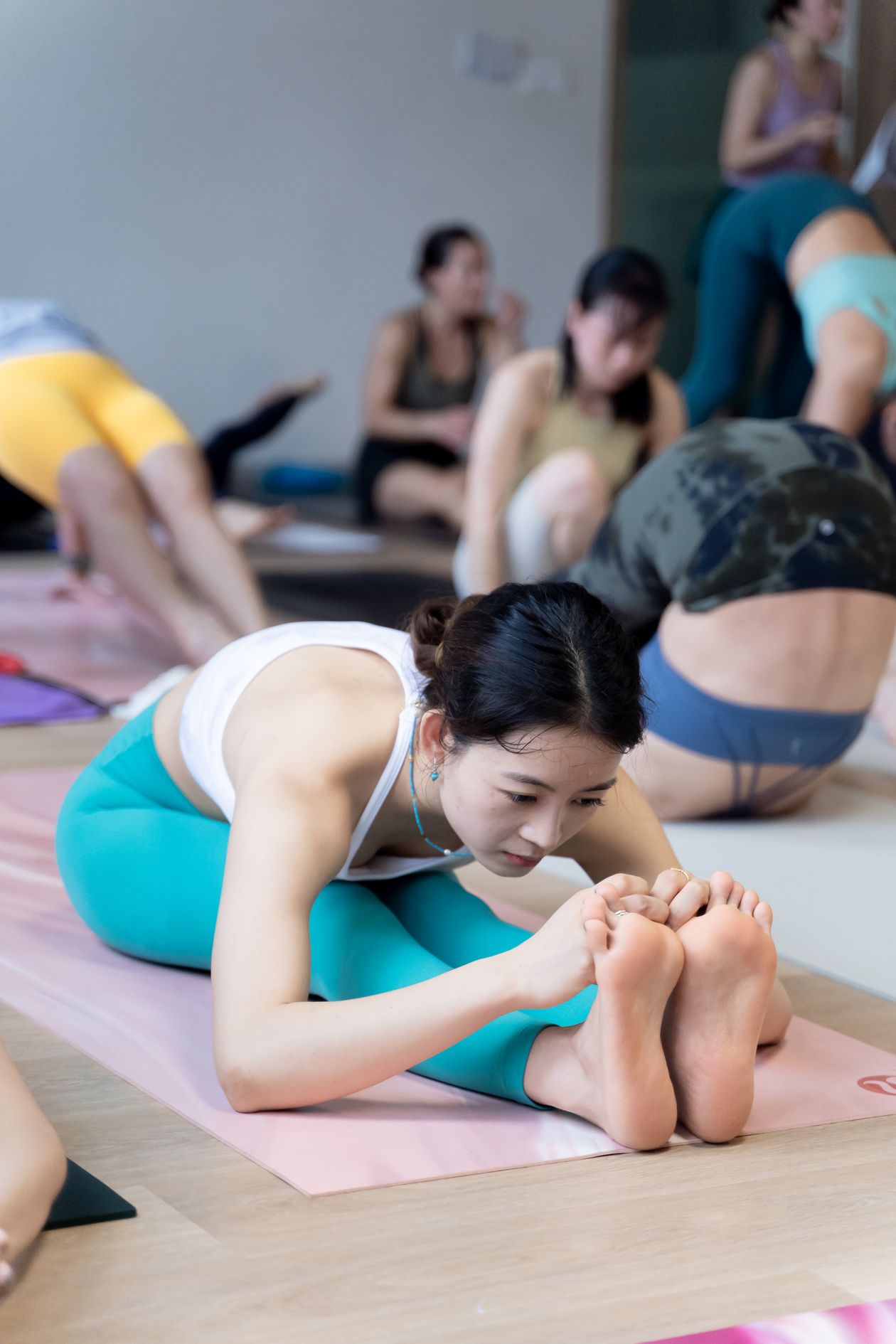
For a new student in Mooresville, a sensible first month looks like this: one or two non-heated classes a week to learn the shapes, one heated class at the gentler end, deep stretch at 90 degrees or an entry hot class, to learn the heat, and rest days between. Heat acclimation is real physiology; over two to three weeks of regular exposure, your body starts sweating earlier and more efficiently and your heart handles the load better, and classes that felt brutal in week one become merely hard. Rushing that process by starting with the hottest format daily is the most common beginner error in hot yoga, and the easiest to avoid.
After the first month, let the week organize itself around effort: hard heated days and gentle days alternating, the way any sustainable training has always worked. The schedule at a full-service studio is a menu of stresses and recoveries. Read it that way and you will still be practicing, and improving, a year from now.
The temperature ladder, used well
Studios set their heated classes on a ladder for a reason, and new students should climb it rather than vault it. At Good Soul, the rungs run from deep stretch at about 90 degrees, through Inferno Hot Pilates at about 95 and power vinyasa near 100, up to Hot 26 at about 105. Each rung teaches the body something about the next: how your breathing behaves, how quickly you sweat, how your balance holds as you tire. A student who spends two weeks on the lower rungs arrives at the top one with skills instead of just courage, and the top class, which is demanding by any standard, becomes a challenge to meet rather than a wall to hit. Teachers can see the difference in a single class, and they will usually tell a new student exactly this if asked.
Common questions
Should beginners start with heated or non-heated yoga?
Non-heated, usually. A foundations class teaches alignment and basic poses without heat stress, and those skills transfer directly into heated classes later.
Is hot yoga better exercise than regular yoga?
It is more cardiovascularly demanding because of the heat, but non-heated practice is better for learning technique and for recovery. They do different jobs.
How long does it take to get used to the heat?
Most people acclimate noticeably over two to three weeks of regular practice, as the body learns to sweat more efficiently and manage the load.
Photos in this guide are representative stock images.
← All guides from Good Soul Hot Yoga← Back to Good Soul Hot Yoga